Named contact
One person at CPFT ADHD
A named contact to confirm the referral pathway, answer questions about the pre-pilot design and help ensure OTOS is not inadvertently creating a parallel route.
 CPFT ADHD Team — Cambridge & Peterborough
OTOS doesn't reduce your waiting list. It stops people falling out of contact while they wait for you — so when they do reach you, they're still reachable, still connected, still on their journey.
"I've been briefed on OTOS Continuity™ — a non-clinical communications layer for adults with co-occurring ADHD and addiction on waiting lists. I understand it does not add clinical burden, does not access any CPFT system, and is not a pathway workaround. It is designed to maintain engagement between referral and first appointment. I'd like to explore whether the CPFT ADHD Team has a role in the scoping conversation."
Edit as you see fit. Two minutes to send. No commitment beyond the note.
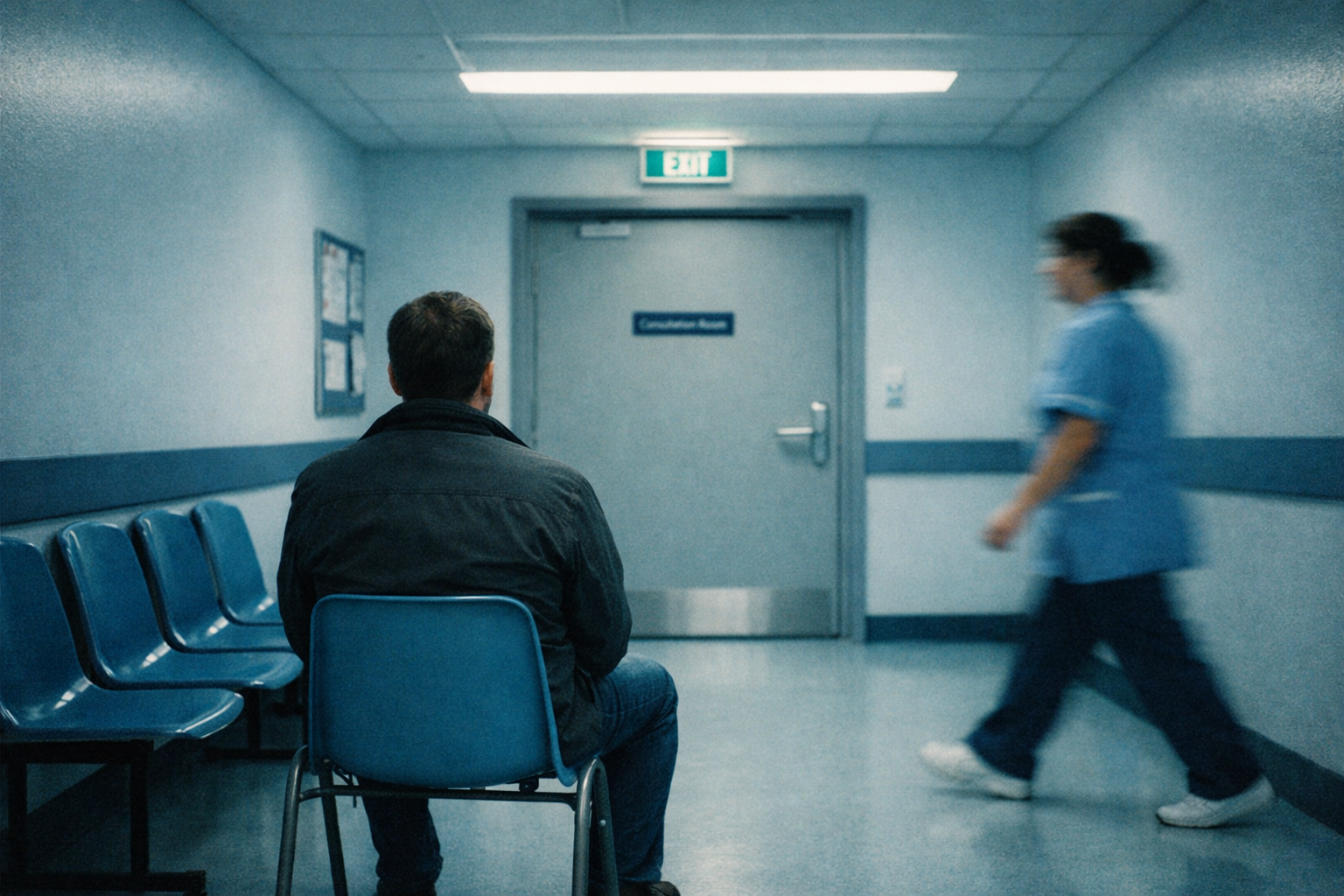
Send this note →I know the waiting list is long. I'm not angry about that — I understand the pressures. When I was finally referred to CPFT's ADHD service, I waited. And during that wait, nothing held the thread. No signal was sent. No continuity was maintained. I didn't know if the referral had arrived. You didn't know if I was still reachable.
That silence is not a clinical failure. It is a structural one. And it is the specific gap OTOS is designed to close — not by replacing your clinical work, but by making the waiting period visible to whoever holds the person during it.
When someone finally reaches you, OTOS means they're more likely to still be reachable. It means the waiting period has been held, not lost. It means the referral pathway is receipted, not assumed.
OTOS does not add a single clinical task. It does not access CPFT systems. It does not change how the ADHD team works. It holds the person in the pathway — so when you're ready to see them, they're still there.
A named contact to confirm the referral pathway, answer questions about the pre-pilot design and help ensure OTOS is not inadvertently creating a parallel route.
A lightweight signal that a referral has been received — not a clinical update, not a new system integration. Just a receipted first step that closes the loop for the referring service.
Map the CPFT ADHD pathway, agree the limits of OTOS involvement, and establish the safest way to hold the waiting period without adding burden.
One note. One conversation. That is all it takes to start.